
How to Become a Zombie
요약 · Summary
Six everyday ways to grow real zombies inside your body, no costume required. What the research says about habits that pile up "zombie cells", the senescent cells aging scientists worry about, and what can still undo some of it, from habits to the first senolytic drugs.

Halloween is this weekend. Zombie makeup comes off in one night, but there's a way to grow real zombies inside your body. Aging researchers call them zombie cells. The proper name is senescent cells.
When a cell's DNA gets damaged or it's under too much stress, it stops dividing. Normally it should then die on its own or get cleared away by the immune system. Senescent cells don't. They hang on, do no useful work, and keep leaking inflammatory signals into the tissue around them. Worse, they push healthy neighbors into senescence too. That's a lot like getting bitten. In a lab dish, young cells placed next to senescent ones turned senescent themselves. In mice, injecting a small number of senescent cells into young animals caused lasting physical decline, and the senescence spread to the surrounding tissue.
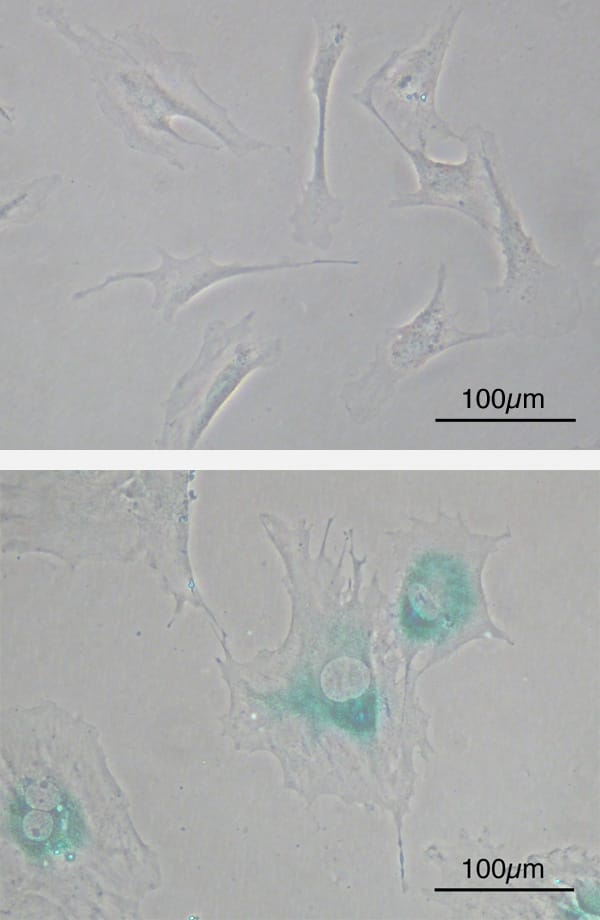
Some build-up comes with age no matter what. But while reading about this, I found that a lot of ordinary habits speed it up. So I flipped it around and made a list: six ways to become a zombie, and for each one, what can still undo some of the damage.
1. Go to bed at 3 AM
A UCLA team ran a four-night experiment with 29 adults aged 61 to 86. On one of those nights, they were only allowed to sleep from 3 to 7 AM. The next morning, their immune cells showed higher activity in genes tied to the inflammatory signals senescent cells release (the SASP). The senescence marker p16 also went up, though a second measurement method didn't confirm it. It's one night and 29 people, and it measured gene signals, not aging itself. Still, seeing that after a single short night is a little scary.
Koreans are especially good at this one. A KB Financial report puts average sleep in Korea at 6.3 hours, and only 41.6% get seven hours or more. In 2019 the International Agency for Research on Cancer classified night shift work as "probably carcinogenic to humans" (Group 2A). Being awake while everyone else sleeps is hard on the body.
What helps: Keeping a regular schedule seems to matter as much as hours. Researchers had about 60,000 UK adults wear a wrist sensor for a week to measure how regular their sleep was. Compared with the least regular fifth, everyone else had a 20–48% lower risk of dying over the following years, and regularity predicted mortality better than sleep duration did.
2. Drink a lot
An Oxford team combined data from about 245,000 people in the UK Biobank with a genetic analysis to look at alcohol and telomeres. Telomeres are the protective caps on the ends of chromosomes. They shorten every time a cell divides, and when they get too short, the cell turns senescent. The link between drinking and shorter telomeres only showed up clearly above 17 UK units a week. Going from 10 to 32 units a week matched about three years of aging, and an alcohol use disorder diagnosis matched three to six years.
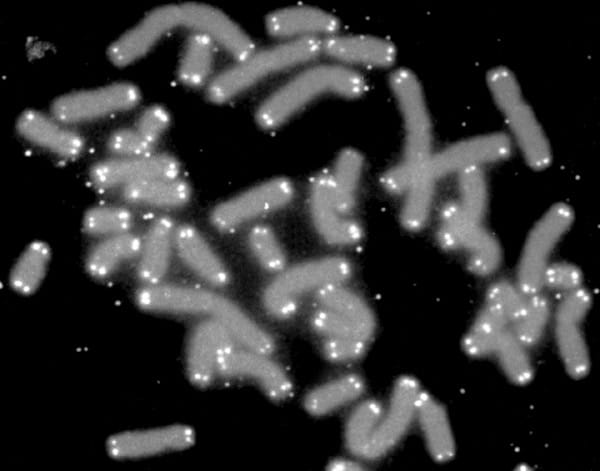
A UK unit is 8 grams of alcohol, so 17 units is about five large (250 ml) glasses of wine a week. In Korea that's roughly three bottles of soju.
If your face turns red when you drink, be more careful. Alcohol breaks down into acetaldehyde, and the enzyme that clears it is ALDH2. About a third of East Asians carry a version that barely works, which is what causes the flush. It also means acetaldehyde, which damages DNA, stays in the body longer. Researchers at the US National Institutes of Health concluded that people who flush and drink have a much higher risk of esophageal cancer.
What helps: There's no trick other than drinking less. Going by the Oxford study, getting under 17 units a week is a reasonable first goal. The WHO's position, though, is that no amount of alcohol is safe for health.
3. Smoke out of habit
In 2009, a University of North Carolina team measured p16 in the T cells of 170 healthy adults. It rose exponentially with age, and apart from age, the two things most clearly tied to higher levels were smoking and physical inactivity. In other words, smokers' blood cells look older than they are. A 2005 study of 1,122 British women found that each pack-year (a pack a day for a year) meant 5 base pairs of extra telomere loss. In that study telomeres shortened by 27 base pairs a year on average, so a pack a day for 20 years adds almost four years of aging.
Lifespan makes it even clearer. A study that followed about 34,000 male British doctors for 50 years, starting in 1951, found that men who kept smoking died about ten years earlier than lifelong non-smokers.
What helps: This is the one on the list where reversal is most certain. In the same study, quitting at 60, 50, 40 or 30 gained about 3, 6, 9 or 10 years of life expectancy. Quit at 30 and you get back almost all the time smoking would have taken.
4. Sit all day
The big analysis here is a 2016 Lancet study that pooled data on more than a million people. Those who sat more than eight hours a day and were the least active had a 59% higher risk of death than those who sat under four hours and were the most active.
What helps: The same analysis had good news. People who got about 60–75 minutes a day of moderate activity, like brisk walking, showed no increase in mortality even when they sat more than eight hours a day. It's observational, so it doesn't prove exercise erases the harm, but for anyone stuck at a desk it's a useful number. Exercise may also lower zombie-cell signals directly. When 34 older adults did strength and endurance training twice a week for 12 weeks, p16 and inflammatory signals in their immune cells went down. It was a small study without a control group.
5. Grow a belly
Fat is often the largest organ in the body, and it's one of the main places senescent cells pile up. With age, the precursor cells that become fat cells shift into a senescent-like, inflammatory state, and this can happen even in young people with obesity. Because fat tissue is so large, a Mayo Clinic team argues the inflammation coming out of it can affect the whole body. In the 2005 study above, women with obesity had telomeres 240 base pairs shorter than lean women. At 27 base pairs a year, that's about nine years' worth.
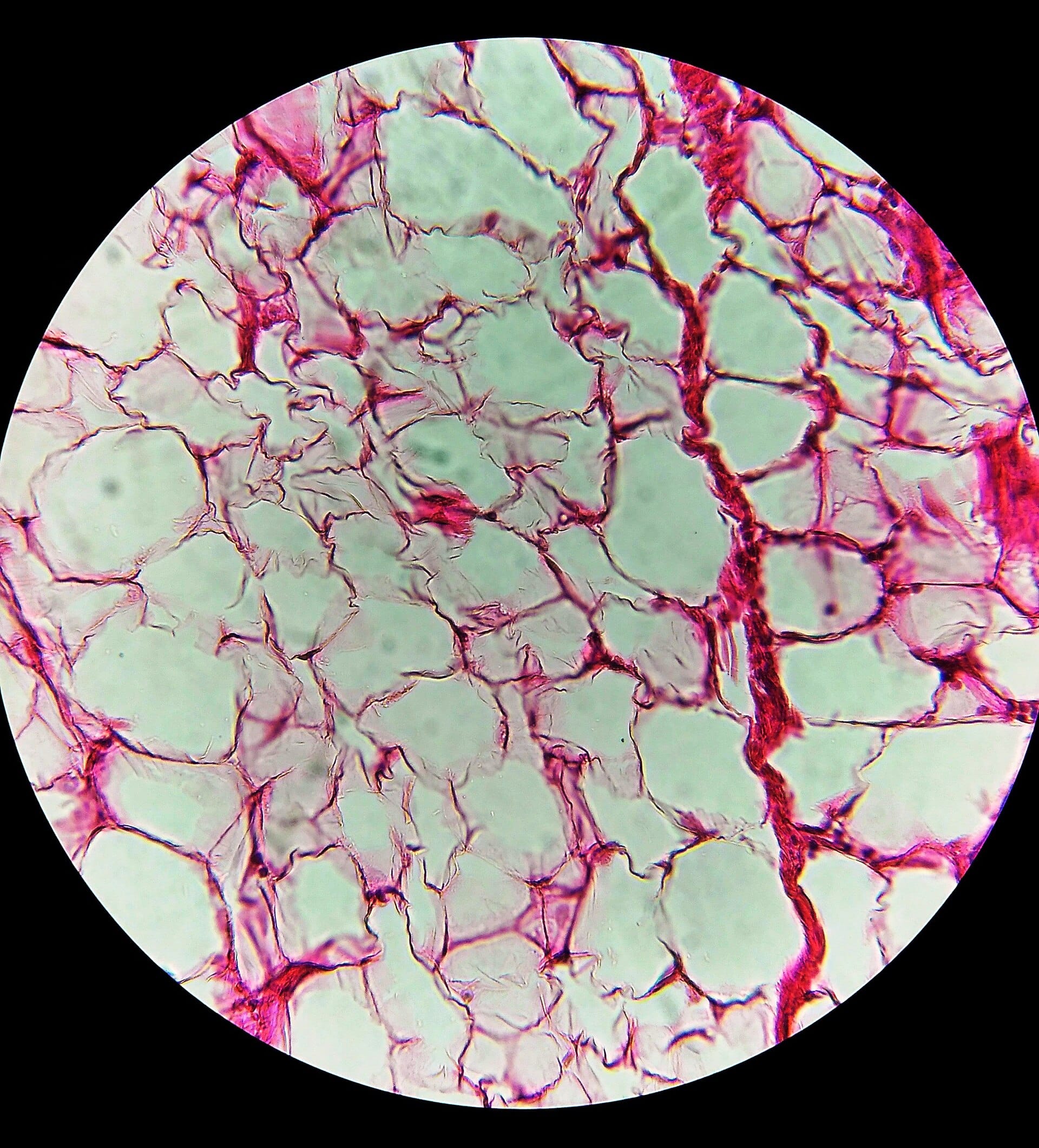
What helps: This one connects to the drugs below. The first place anyone saw senescent cells drop in a living human was fat tissue.
6. Stay stressed all the time
In 2004, Elissa Epel's team at UCSF measured telomeres in 58 mothers, 39 of whom were caring for a chronically ill child. The most stressed group had telomeres that looked at least a decade older than the least stressed group's. The longer a mother had been caregiving, the shorter her telomeres.
What helps: Exercise shows up again. In a study of 63 postmenopausal women, among those who didn't exercise, higher stress sharply raised the odds of short telomeres. Among women who met the recommended amount of vigorous exercise, stress and telomere length showed no link. It was a small, single-snapshot study, so it can't show cause and effect.
How far along is the antidote?
Drugs that selectively kill zombie cells are called senolytics. In 2018, a Mayo Clinic team gave old mice an intermittent combination of dasatinib, a leukemia drug, and quercetin, a compound found in onions and apples (D+Q). The mice walked faster, ran longer, gripped harder, and lived 36% longer after treatment began.
The first human results came in 2019. Nine patients with diabetic kidney disease took D+Q for three days. Eleven days later, fat biopsies showed 35% fewer p16-positive senescent cells and 62% fewer cells positive for another senescence marker (SA-β-gal). Skin showed a drop too, and inflammatory markers in the blood went down. It was the first report of zombie cells actually decreasing in a human body. But it was nine people with no comparison group, and it didn't test whether they got healthier. Dasatinib is also a prescription cancer drug.
Fisetin, a compound in strawberries sold as a supplement, is being studied too, but no large trial has shown it works in people yet. Metformin and rapamycin often come up as "aging drugs", but neither kills zombie cells directly, and no drug has yet been shown to slow aging in humans.
Putting this all together, the strongest antidotes right now are habits, not pills: quit smoking, drink less, sleep at about the same time every night, and move a lot. Exercise came up twice, for sitting and for stress. The drugs are still at the nine-person-trial stage, and in the meantime, what works is pretty boring.
So if you're dressing up as a zombie this Halloween, wash the makeup off that night and go to bed at your usual time.
I'm not a doctor or a scientist. This is a record of research I read, not medical advice. If I got something wrong, please tell me.
Sources
- Senescent cells push neighbors into senescence: Nelson et al., Aging Cell 2012
- Transplanted senescent cells and D+Q in mice: Xu et al., Nature Medicine 2018
- One night of short sleep: Carroll et al., Brain, Behavior, and Immunity 2016
- Sleep in Korea: KB Financial Group Research Institute, 2026 Korea Wellness Report
- Night shift work: IARC Monographs Volume 124
- Sleep regularity: Windred et al., Sleep 2024
- Alcohol and telomeres: Topiwala et al., Molecular Psychiatry 2022, University of Oxford release
- The alcohol flush: Brooks et al., PLoS Medicine 2009
- No safe level of alcohol: WHO Europe, 2023
- p16 in blood T cells, smoking and inactivity: Liu et al., Aging Cell 2009
- Obesity, smoking and telomeres: Valdes et al., Lancet 2005
- 50 years of British doctors: Doll et al., BMJ 2004
- Sitting time and exercise: Ekelund et al., Lancet 2016
- Exercise and senescence markers: Englund et al., Aging Cell 2021
- Fat and senescent cells: Tchkonia et al., Aging Cell 2010
- Stress and telomeres: Epel et al., PNAS 2004
- Exercise buffers stress: Puterman et al., PLoS ONE 2010
- D+Q in humans: Hickson et al., EBioMedicine 2019
새 글을 메일로 받아보세요
한국어, 영어 중 받을 언어를 고르세요. 언제든 해지할 수 있습니다.